
Coffee brewing methods vary greatly, each one offering a distinct taste experience, from light and acidic to rich and full-bodied. Once you learn exactly how each works, you’re free to pick the one that suits you rather than stumbling by accident.
All brewing methods are really no more than a way to control extraction.
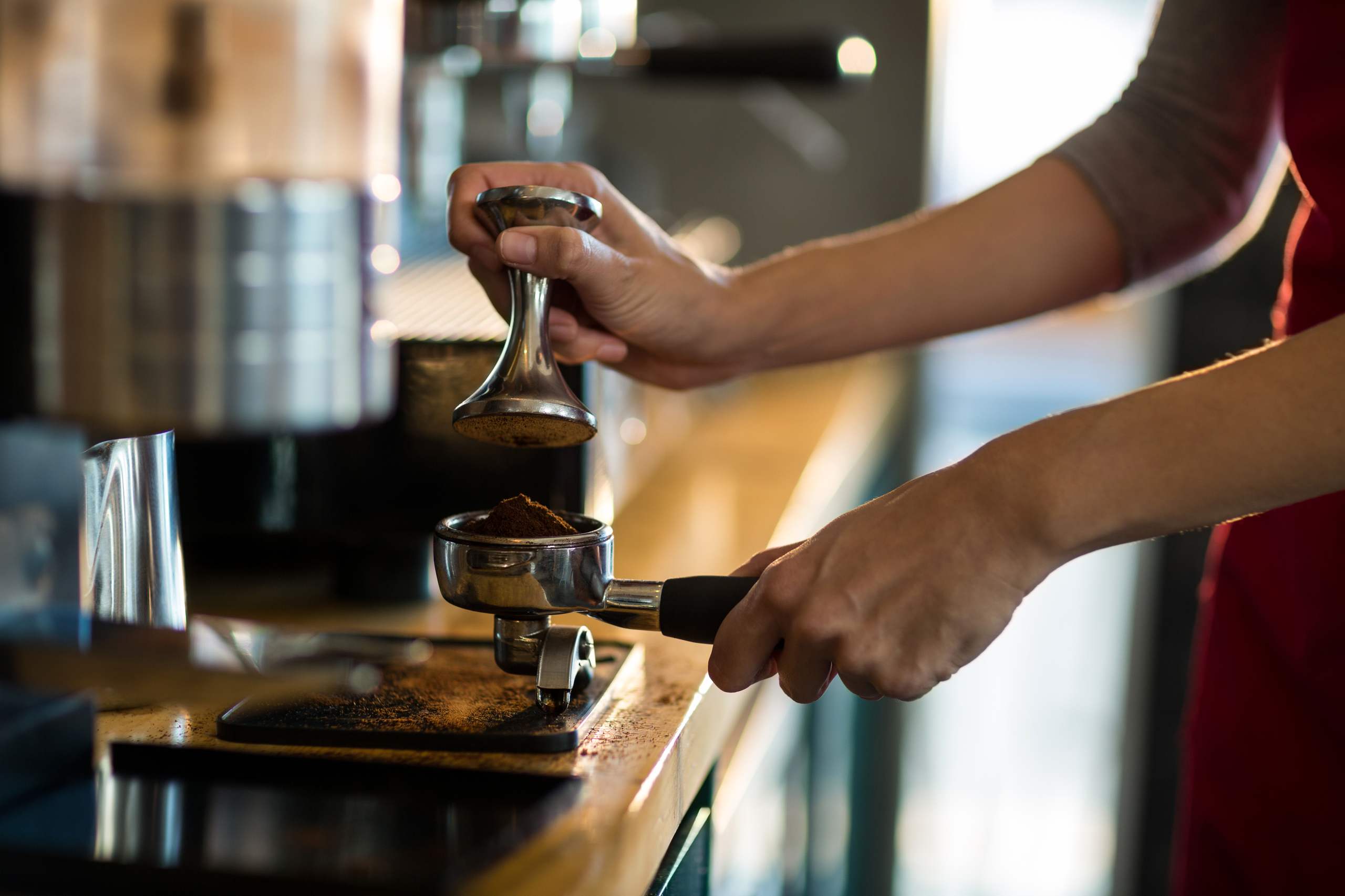
Espresso: Pressure and Intensity Espresso is an ultra-concentrated method. It uses a large quantity of pressure to push hot water through coffee in a small amount of time. This yields a small, powerful cup with a thick crema on top.
The speed of espresso means it’s highly susceptible to small variations. Grind size, dose, and brew time must all work together; if one is off, the flavor will shift from delicious and sweet to harsh or sour.
Espresso forms the base for milk-based drinks, but when served alone it displays the structural elements of coffee in its most concentrated form.
Pour-Over: Clean and Controlled Flavor Pour-over brewing relies on accuracy and clarity. Hot water is slowly poured over coffee grounds, typically through a paper filter, allowing it to travel through the coffee bed evenly.
Because this method is manual, every aspect of extraction is up to you: pour speed, water distribution, brew time. Pour-over coffee brings out subtle notes, floral, fruity, and tea-like. It’s often called clean because the paper filter takes out oils and fine particles, producing a clear cup.
French Press: Full Body and Rich Texture French press is very different. Instead of filtering the coffee with paper, coffee is fully submerged in water and strained with a metal mesh.
This produces a thicker, fuller-bodied cup with more texture and oils. It has a deeper, more robust flavor compared with filtered coffee.
But because coffee is in contact with water for longer periods, brew time must be closely watched. Leaving the coffee in too long can easily bring out bitter or muddy notes.
AeroPress: Flexibility and Experimentation AeroPress is highly flexible. It combines immersion and pressure, allowing you to experiment with grind size, brewing duration, and brewing method.
You can mimic an espresso shot or brew something closer to a drip-style filter depending on how you use it. This versatility makes it great for people who enjoy experimentation and dialing in their brewing process.
It can be whatever you want it to be; you aren’t stuck to a fixed flavor profile.
Cold Brew: Smooth and Low Acidity Cold brew is time-based. Coffee is steeped in cold water for a long time, typically between 12 and 24 hours.
This produces a smooth, naturally sweet-tasting coffee with a low acidity. Because heat is not used, fewer bitter-tasting compounds are extracted, producing a milder taste. Cold brew isn’t so much about intensity but about smoothness and refreshment.
Pick Your Perfect Cup There is no one-size-fits-all brewing method, each is just an expression of coffee. Espresso is intense and quick, pour-over is clean and detailed, French press is heavy and rich, AeroPress is flexible, and cold brew is mellow.
What you pick depends on what you enjoy: clarity, intensity, texture, or balance.
Brewing Methods and Flavor: Conclusion Learning brewing methods isn’t just about knowing how to make coffee, it’s about learning what flavors you like. Each brewing method brings out a different part of the same coffee, much like tuning the EQ on a sound system.
Once you understand brewing, you can start selecting a brewing method purposefully rather than arbitrarily, allowing your experience with coffee to adapt to your mood, lifestyle, and personal needs.